PARENTS' COACH NETWORK
Perinatal Mood and Anxiety Disorders and Postpartum Depression: What Every Parent Should Know
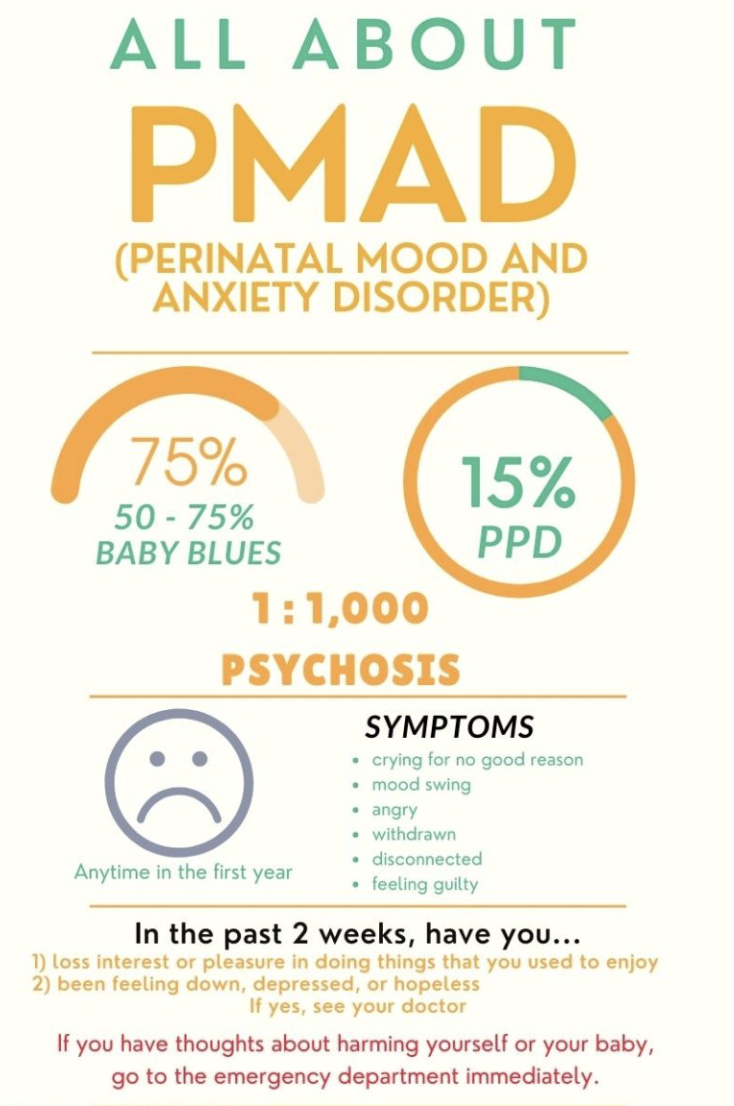
Pregnancy and the postpartum period are often portrayed as joyful and fulfilling—but for many parents, this time can also bring unexpected emotional challenges. If you are experiencing persistent sadness, anxiety, panic, or emotional distress during pregnancy or after birth, you are not alone.
These experiences may be part of what are known as Perinatal Mood and Anxiety Disorders (PMADs).
Understanding PMADs and postpartum depression is an important first step toward healing and support.
What Are Perinatal Mood and Anxiety Disorders (PMADs)?
Perinatal Mood and Anxiety Disorders are a group of mental health conditions that can occur during pregnancy or within the first year after childbirth. PMADs affect people of all backgrounds and can happen even if pregnancy or birth went “well.”
PMADs include:
Perinatal depression
Perinatal anxiety
Panic disorder
Obsessive-compulsive symptoms
Post-traumatic stress disorder (PTSD) related to birth
Postpartum depression
These conditions are medical and psychological, not personal failures or weaknesses.
Postpartum Depression vs. the “Baby Blues”
Many new parents experience short-term emotional changes known as the baby blues, which may include mood swings, tearfulness, or irritability and usually resolve within two weeks.
Postpartum depression, however:
lasts longer than two weeks
interferes with daily functioning
may worsen over time without support
Postpartum depression can begin during pregnancy or after birth, and it deserves prompt attention and care.
Common Signs and Symptoms of PMADs
Symptoms may vary from person to person, but common signs include:
Persistent sadness, hopelessness, or emotional numbness
Excessive worry or constant anxiety about the baby or pregnancy
Panic attacks or shortness of breath
Difficulty sleeping even when the baby is sleeping
Intrusive or distressing thoughts
Difficulty bonding or connecting with your baby
Feeling overwhelmed, irritable, or emotionally exhausted
Guilt, shame, or feeling like a “bad parent”
If these symptoms feel intense, persistent, or overwhelming, professional support can help.
Why PMADs Happen
PMADs are caused by a combination of factors, including:
Hormonal changes during pregnancy and postpartum
Sleep deprivation
Previous mental health challenges
Birth trauma or difficult fertility experiences
Social isolation or lack of support
Stress related to parenting, relationships, or life transitions
Experiencing PMADs does not mean you don’t love your baby or that you are incapable as a parent.
Why Early Support Matters
Untreated perinatal mental health challenges can affect:
your emotional well-being
your confidence as a parent
bonding and attachment
overall family functioning
According to Postpartum Support International, early intervention significantly improves recovery outcomes. The earlier support begins, the easier it often is to manage symptoms and regain emotional balance.
How Psychotherapy Can Help During Pregnancy and Postpartum
Psychotherapy provides a safe, confidential space to explore your experiences and develop effective coping strategies.
Approaches such as Cognitive Behaviour Therapy (CBT) can help by:
reducing anxiety and intrusive thoughts
improving mood regulation
addressing fear of childbirth or birth trauma
strengthening emotional resilience
supporting attachment and confidence in parenting
Support can be tailored to your cultural background, language, and personal circumstances.
You Are Not Alone—and Help Is Available
Perinatal mental health challenges are common and treatable. With the right support, recovery is possible, and many parents go on to feel stronger, more confident, and more connected to themselves and their families.
If you are experiencing symptoms of perinatal anxiety, depression, or emotional distress during pregnancy or postpartum, reaching out for support is a powerful first step.
Support at Parents Coach Network
We offer compassionate, specialized psychotherapy support for:
perinatal anxiety and depression
postpartum depression
fear of childbirth and birth trauma
infertility-related stress
PTSD and emotional adjustment to parenting
Services are available in English, Cantonese, Arabic, and Farsi, and coverage may be available through private insurance or eligible programs.
If you or someone you support is struggling, you don’t have to navigate this alone.